A few years ago, telling someone that sneakers could be an “investment” in India would’ve sounded ridiculous.
Most people still saw sneakers as just footwear. Something you wear, beat up and eventually replace.
Now things are very different.
Limited Jordans sell out within minutes.
Travis Scott collaborations resell for insane prices.
Sneaker resellers treat release calendars like stock market events.
And people who once laughed at sneaker culture are suddenly asking:
“Bro, how much can these resell for?”
That shift says a lot about how sneaker culture in India has evolved.
But despite all the hype around sneaker investing, most people still don’t fully understand how the market actually works. Some people make serious money. Others massively overpay for sneakers they can’t even sell later.
So if you’ve been wondering whether sneakers are genuinely becoming investments in India or if it’s all just internet hype, this guide breaks down the reality behind the resale market.
When Did Sneakers Become More Than Just Shoes?
Sneakers started changing from simple footwear into collectible items long before India caught on.
Globally, brands like Nike and Adidas realized something important years ago:
Scarcity creates demand.
The harder a sneaker is to get, the more people want it.
That idea completely changed sneaker culture.
Instead of producing unlimited stock, brands started releasing:
- Limited collaborations
- Celebrity partnerships
- Exclusive colorways
- Region-specific launches
Suddenly sneakers became less about utility and more about exclusivity.
And once resale entered the picture, the entire market changed forever.
How Sneaker Resale Actually Works
The resale market is honestly very simple.
A sneaker releases at retail price.
Demand becomes higher than supply.
The sneaker sells out.
Resellers then sell pairs at higher prices.
That’s basically the entire system.
For example:
- Retail Price: ₹18,000
- Resale Price After Sellout: ₹40,000
The gap between those numbers is where the resale market exists.
And in India, that gap has become much larger over the last few years because sneaker demand is growing much faster than retail availability.
Why Certain Sneakers Become So Valuable
Not every sneaker becomes an “investment.”
In fact, most don’t.
The pairs that gain value usually combine multiple things:
- Limited stock
- Strong brand value
- Celebrity influence
- Cultural relevance
- Wearable design
- Hype
Take Travis Scott Jordans for example.
People aren’t just buying them because they like brown sneakers. They’re buying:
- The collaboration
- The exclusivity
- The status
- The cultural moment attached to the sneaker
That emotional value is what pushes resale prices so high.
India’s Sneaker Market Changed Faster Than People Expected
Sneaker culture in India used to feel very small.
Now it’s everywhere.
Social media played a massive role in that growth. Instagram, YouTube and sneaker content creators exposed Indian audiences to global sneaker culture much faster than before.
At the same time:
- Sneaker stores expanded
- Resale pages exploded
- Streetwear became mainstream
- Celebrities started wearing hype sneakers
Suddenly sneakers weren’t just fashion anymore.
They became status symbols.
And once that happened, resale culture naturally followed.
The Sneakers That Usually Hold Value Best
Some silhouettes consistently perform better than others in resale.
Especially in India.
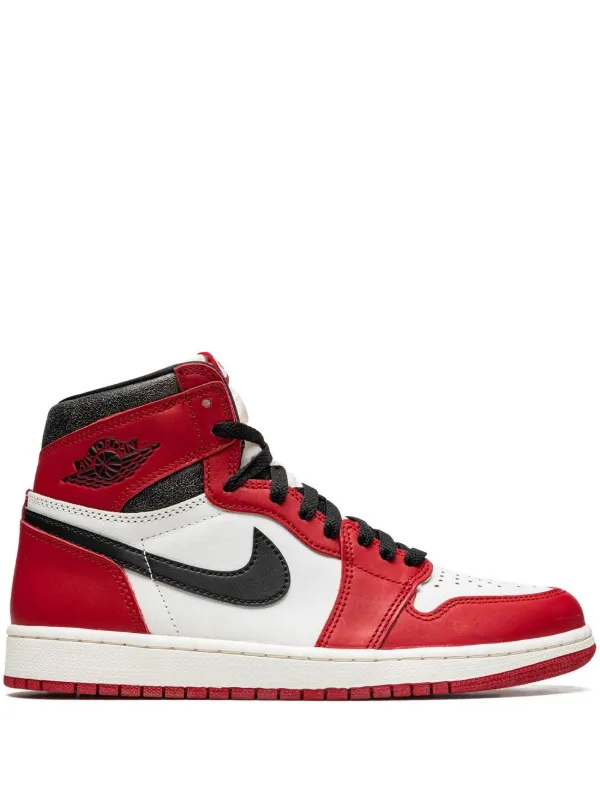
Air Jordan 1s
Jordan 1s still dominate resale culture because they balance:
- History
- Wearability
- Hype
- Collectibility
Good colorways usually hold value extremely well long-term.
Travis Scott Collaborations
At this point, Travis Scott sneakers almost feel guaranteed to resell.
The demand remains huge globally and Indian buyers chase these releases aggressively too.

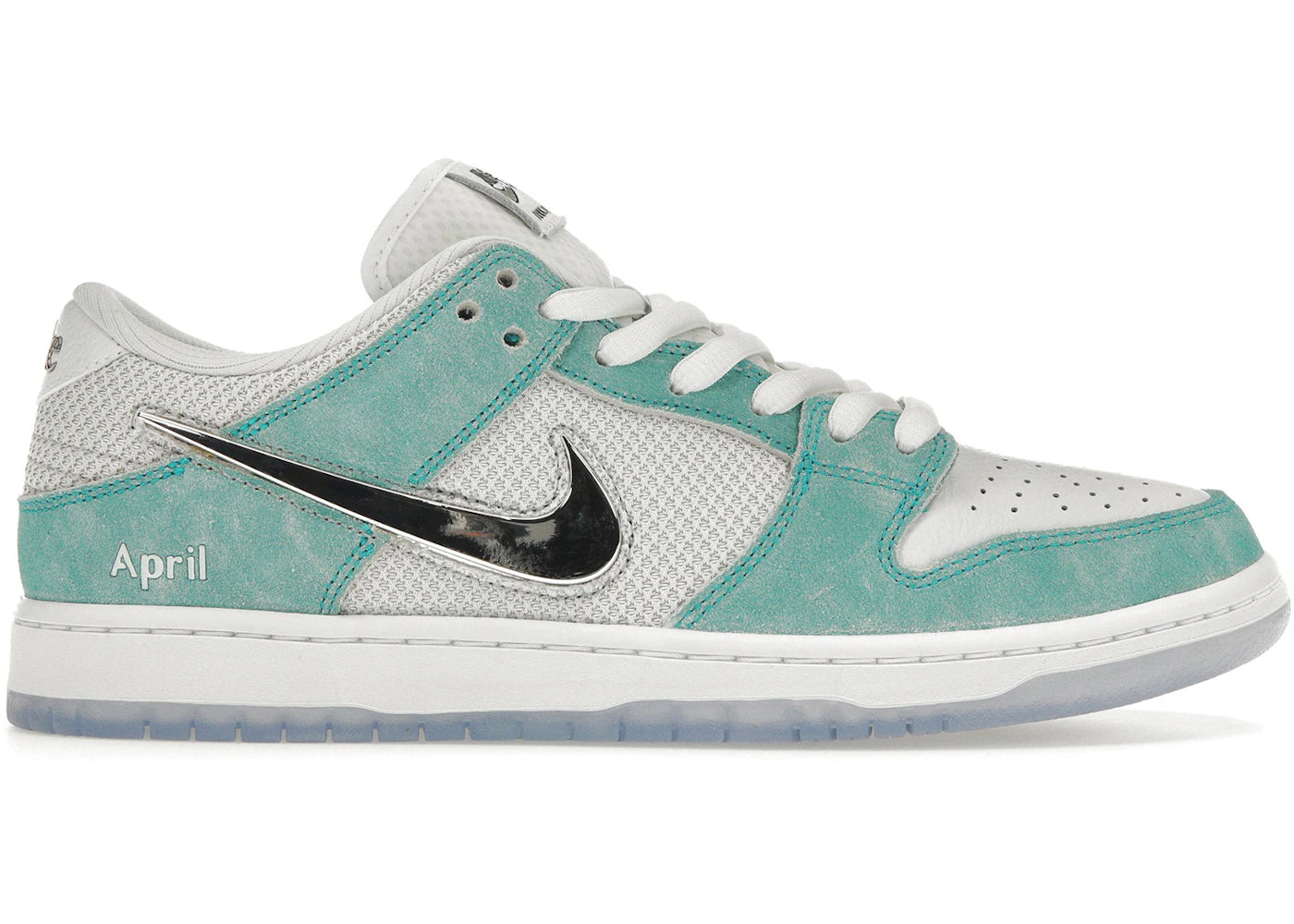
Nike SB Dunks
SB Dunks became highly collectible because of limited production and strong connections to skate culture.
Older SBs especially have become incredibly valuable.
Yeezys
Even after the Adidas-Yeezy situation changed, many Yeezy models still maintain strong resale demand because of comfort and recognizable design.

New Balance Collaborations
This category has grown massively recently.
Collaborations involving:
- Aimé Leon Dore
- JJJJound
- Joe Freshgoods
have pushed New Balance into serious resale conversations globally.

Are Sneakers Actually Good Investments?
This is where things become complicated.
Technically?
Yes, some sneakers perform extremely well financially.
But calling sneakers “safe investments” would honestly be misleading.
Because sneaker resale is unpredictable.
Trends change quickly.
Hype disappears.
Markets crash.
Demand shifts constantly.
A sneaker worth ₹50,000 today could lose major value next year if cultural interest fades.
That’s why experienced resellers usually treat sneakers more like speculative assets rather than guaranteed investments.
The Biggest Mistake New Buyers Make
A lot of beginners assume every limited sneaker will become valuable.
That’s completely false.
Some sneakers:
- Sit below retail
- Lose hype quickly
- Become oversaturated
- Never recover resale value
And once too many people start treating sneakers purely like investments, the market becomes overcrowded fast.
That’s already happening to some extent globally.
Sneaker Investing Is Really About Understanding Culture
This is the part most people miss.
Sneaker resale isn’t just about shoes.
It’s about culture.
The sneakers that perform best financially are usually connected to:
- Music
- Sports
- Celebrities
- Fashion trends
- Internet culture
That emotional connection creates demand.
And demand creates resale value.
Which means predicting sneaker prices often becomes more about understanding people than understanding sneakers themselves.
The Reality Social Media Doesn’t Show
Social media makes sneaker reselling look very glamorous.
People post:
- Massive profits
- Expensive collections
- Sold-out pairs
But they rarely show:
- Unsold inventory
- Market losses
- Fake buyers
- Declining prices
- Sitting stock
A lot of resellers also end up tying huge amounts of money into sneakers that take months to sell.
That risk is real.
Why Some Sneakerheads Hate “Investment Culture”
Not everyone likes where sneaker culture is heading.
Many longtime sneaker enthusiasts feel that resale culture made sneakers:
- Harder to access
- More expensive
- Overly commercialized
And honestly, they’re not completely wrong.
A lot of people now buy sneakers mainly for profit instead of personal enjoyment.
That changes the culture significantly.
Because sneakers used to feel more connected to self-expression than market value.
So Should You Buy Sneakers as Investments?
Honestly?
Only if you genuinely understand the market.
And even then, it’s smarter to buy sneakers you actually like wearing.
Because the people who survive long-term in sneaker culture are usually the ones who enjoy the culture itself — not just the money attached to it.
That mindset matters.
A lot.
Final Thoughts
Sneakers have absolutely become valuable assets within modern fashion culture, including in India.
But they’re also unpredictable, trend-driven and emotionally influenced markets. Some pairs become legendary investments. Others disappear from conversation within months.
The important thing is understanding the difference between hype and long-term cultural relevance.
Because at the end of the day, sneaker value is really driven by people.
And people change faster than most markets do.